Which House Rules Your Career? Finding Your Calling in the Birth Chart
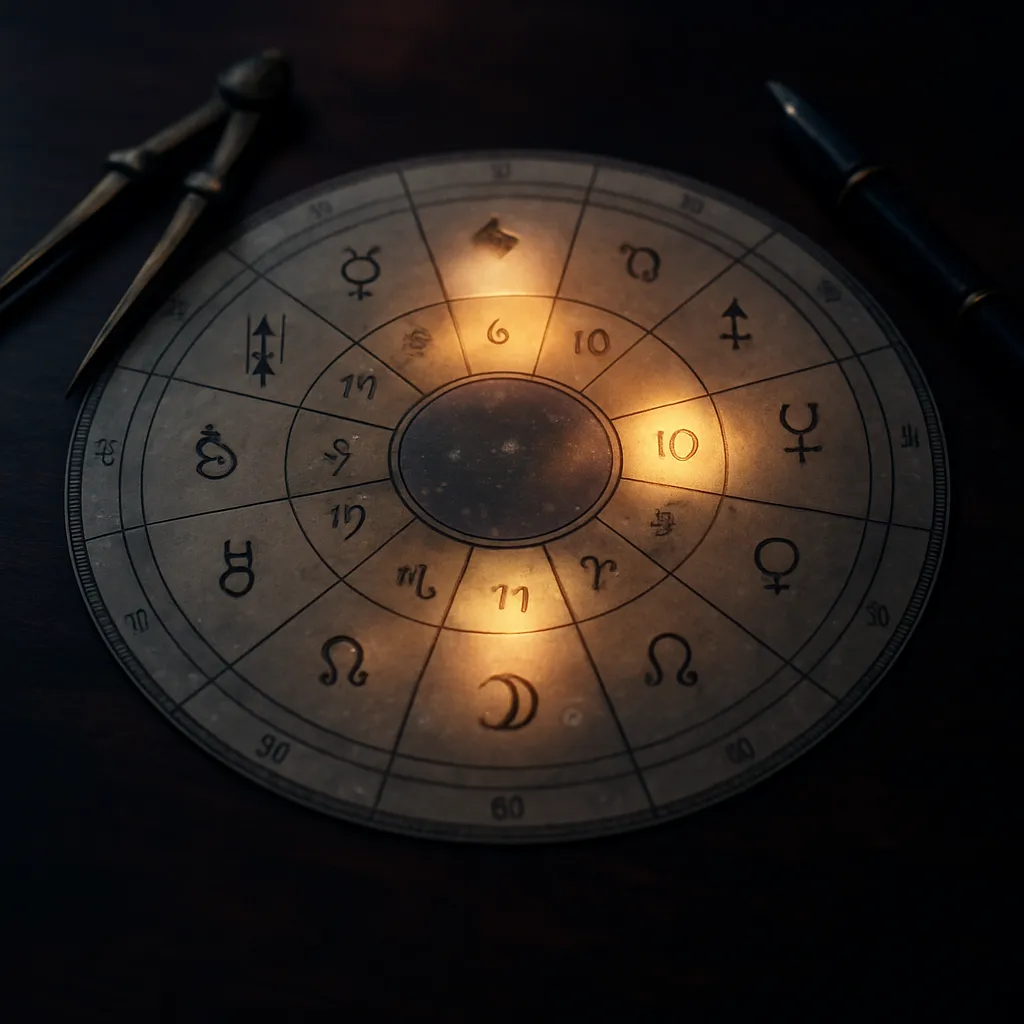
Your career isn't just the 10th house. Discover how four different houses shape your professional path and reveal what you're truly meant to do.
Most astrology students get taught a lie: your career is the tenth house. Period. End of story.
But I've spent fifteen years looking at charts of people who hate their jobs, and I can tell you the problem usually isn't that they ignored their tenth house. It's that they only looked at the tenth house. Your calling lives in at least four different places in your birth chart, and if you're trying to build a career using just one piece of the puzzle, you're going to feel like something's missing.
Let's fix that.
The Four Career Houses (And What Each One Actually Does)
Here's the thing nobody tells you when you start learning astrology: career isn't one question. It's at least four.
The tenth house tells you about your public role, your reputation, what you're known for in the world. It's your professional brand, the title on your business card, how strangers would describe what you do at a dinner party.
The second house is about how you earn money and what resources you have to offer. Skills you can monetize. The stuff people will actually pay you for. Your tenth house might say "visionary leader" but your second house is the one that determines whether you're getting paid in stock options or selling crystals on Etsy.
The sixth house governs your daily work environment, the grind, your relationship to service and health within your job. It's the difference between someone who needs total autonomy and someone who thrives in a structured nine-to-five. You can have a glamorous tenth house and a miserable sixth house experience, and that mismatch will make you quit even a "successful" career.
The eleventh house shows your long-term aspirations, the communities and networks that support your work, and the impact you want to make beyond your own paycheck. It's where your career connects to something bigger than yourself.
See what I mean? Four houses, four totally different questions. When someone asks "what should I do for work?" they're actually asking all four at once.

The Tenth House: Your Professional Persona
Let's start with the one everyone knows. The tenth house, also called the Midheaven or MC, sits at the very top of your chart. In Vedic astrology (Jyotish), this is the Karma Bhava, the house of action and duty in the world.
But here's what trips people up: the tenth house isn't about what you love. It's about what you're called to do publicly. Sometimes those overlap. Often they don't.
I've seen charts where someone has Pisces on the Midheaven with Neptune conjunct, and they're working as a corporate tax attorney. Miserable, obviously. That Pisces MC wants to be a filmmaker, a spiritual teacher, maybe a marine biologist. Something that dissolves boundaries, that touches the numinous. Tax code doesn't cut it.
On the flip side, I know a woman with Capricorn MC and Saturn in the tenth who runs a successful accounting firm and loves every minute. She describes her work as "building systems that let people sleep at night." That's Saturn language. Structure as care.
What to look for in the tenth house:
- The sign on the cusp (your MC sign) describes the flavour of your public role
- Planets in the tenth amplify or complicate that role
- The ruler of the MC (the planet that rules the sign on the cusp) and which house it sits in — this is huge and most people skip it
- Aspects to the MC from other planets
A quick example: if you have Gemini on the MC, Mercury rules your career. If Mercury is in your third house, you'll probably work in communication, writing, teaching, or local media. If Mercury is in your eighth house, you might be a researcher, investigator, psychologist, or deal with other people's money (insurance, taxes, estate planning).
The Brihat Parashara Hora Shastra (Chapter 26) emphasizes that the strength of the tenth lord (the planet ruling the tenth house) determines professional success more than the planets sitting in the tenth itself. A strong tenth lord in a good house, well-aspected, is worth more than a crowd of weak planets in the tenth.
The Second House: What You Actually Get Paid For
This is the house everyone forgets, and it's the reason so many people have a "passion" that never turns into income.
Your second house shows your resources: money, yes, but also skills, voice, values, self-worth. In Vedic astrology, it's called Dhana Bhava, the house of wealth. Not just cash, though. The principle is simpler: what do you have to give that the world needs?
I once worked with a guy who had Leo in the tenth house, Sun in the fifth. Textbook creative, right? He wanted to be a screenwriter. But his second house was Taurus with Venus in Virgo in the sixth, and Mars also in the second.
Here's what we figured out: he was great at writing, sure. But what he was genuinely exceptional at, the thing people kept asking him to do, was editing other people's scripts. Mars in the second gave him a sharp eye for what to cut. Venus in Virgo made him ruthlessly practical about structure. He fought this for years because "editor" felt less glamorous than "writer." Once he leaned in, his income tripled.
The second house doesn't lie. If you have Saturn there, you'll build wealth slowly, through discipline and time. Jupiter there? You might have multiple income streams, generosity with money, opportunities that arrive through teaching or travel. Venus? You get paid for beauty, aesthetics, relationships, harmony.
Planets in the second house show how you earn. The ruler of the second house shows where (which life area, based on the house it occupies).
The Sixth House: The Daily Grind (And Why It Matters More Than You Think)
Let's be honest: the sixth house has a bad reputation. It's associated with illness, enemies, obstacles, servitude. In Sanskrit, it's called Shatru Bhava (house of enemies) and Roga Bhava (house of disease). Cheerful stuff.
But here's the reframe: the sixth house is where you show up every single day. It's your daily rhythm, your health, your relationship to work as a practice (not a trophy). If your tenth house is the highlight reel, your sixth house is the behind-the-scenes footage.
And if the behind-the-scenes footage is miserable, you won't sustain the career, no matter how shiny the tenth house looks.
I have Virgo in the sixth with Mercury there. I need work that involves details, editing, refining. I need a clean desk. I will lose my mind in a chaotic open-plan office. My daily work environment has to support focused, solitary tasks or I'm useless. Knowing this has saved me from so many bad job offers.
Someone with Sagittarius in the sixth needs variety, learning, maybe travel or teaching baked into the daily routine. Aries in the sixth needs autonomy and physical movement. Cancer in the sixth needs emotional safety and flexibility for family stuff.
Sixth house red flags to watch for:
- Malefics (Saturn, Mars, Rahu, Ketu) here can create workplace stress, but they also build resilience if you structure the work correctly
- An empty sixth house isn't a problem; check the ruler
- Harsh aspects to sixth house planets from the twelfth (hidden enemies, self-sabotage) or eighth (power struggles, toxic environments)
The Phaladeepika (Chapter 4) notes that a strong sixth house can indicate victory over enemies and success in competitive fields: law, medicine, military, litigation, anything where you're solving problems or fighting battles on someone else's behalf.
If you're a lawyer, doctor, nurse, therapist, coach, or work in service industries, a well-supported sixth house is essential. This house gets you through the hard days.
The Eleventh House: Your Vision and Your People
Now we get to the house that's criminally underrated in career analysis: the eleventh.
In Vedic astrology, this is Labha Bhava, the house of gains and fulfilment of desires. It's often called the house of friends, groups, networks. But it's also your long-term aspirations, the big vision that pulls you forward, the communities that amplify your work.
Your tenth house might make you famous, but your eleventh house determines whether you have allies or just an audience.
I look at the eleventh when someone says, "I'm successful on paper but I feel empty." That's usually a tenth house that's working beautifully and an eleventh house that's starving. You're getting recognition, but not connection. You're hitting goals, but they're not the goals you actually care about.
Let's say you have Aquarius in the eleventh with Uranus there. Your aspirations are probably tied to innovation, social change, technology, working with unusual or marginalized groups. You need a career that connects you to a network of iconoclasts and visionaries, even if your day job looks conventional. Without that, you'll feel isolated.
Jupiter in the eleventh is one of my favorite placements. It's said to grant large gains, powerful friends, and success in group endeavours. I've seen it in the charts of nonprofit leaders, community organizers, people who build movements.
Saturn in the eleventh can delay your big wins, but when they come, they're solid and lasting. You'll have a small circle of serious, committed allies rather than a crowd of fair-weather friends.
The ruler of the eleventh house shows where your gains come from. Eleventh lord in the second? You make money through networks. Eleventh lord in the ninth? Your aspirations are tied to teaching, publishing, spirituality, foreign connections.
Putting It All Together: A Real Chart Example
Let me show you how these four houses work as a system.
I worked with a client a few years ago — Scorpio rising, so Aquarius on the tenth house cusp (MC). Uranus in the ninth house. Okay, so career-wise, she's meant to do something unconventional, independent, maybe related to higher knowledge or foreign culture (ninth house Uranus ruling the tenth).
Her second house was Sagittarius with Jupiter in the fourth. She earns through teaching, home-based work, or real estate. Jupiter loves to share knowledge, and the fourth house connection suggested she'd work from home or in nurturing environments.
Sixth house: Aries, with Mars in the eighth. She needed autonomy in her daily work (Aries) and was drawn to deep, transformational, even taboo subjects (Mars in the eighth ruling the sixth). Psychology, death work, occult studies.
Eleventh house: Virgo, with Mercury and Venus there. Her long-term vision involved healing, service, and beauty (Venus), communicated precisely (Mercury in Virgo). She wanted to build a community around health and practical spirituality.
The career? She became an astrologer and somatic therapist, working from home, one-on-one clients, teaching workshops on trauma and the body. Unconventional (Aquarius MC), teaching-based income (Jupiter in the fourth ruling the second), transformational daily work (Mars ruling the sixth from the eighth), building a community around healing (Mercury and Venus in the eleventh).
Four houses, one coherent story.
What to Do With All This Information
So you've looked at your second, sixth, tenth, and eleventh houses. Now what?
Start by asking four separate questions:
- What do I want to be known for? (tenth house)
- What skills do I have that people will pay for? (second house)
- What does my ideal daily work environment look like? (sixth house)
- What long-term impact do I want to make, and who do I want to make it with? (eleventh house)
If your answers to all four questions point in wildly different directions, that's your first clue. You're either in the wrong job, or you're trying to force one job to meet all four needs (which rarely works).
Sometimes the solution is a portfolio career: a tenth house day job that pays the bills and builds your reputation, plus a sixth house side project that feeds your daily need for creative autonomy, plus an eleventh house volunteer role that connects you to your people.
Sometimes it's about finding the overlap. The sweet spot where all four houses sing together.
And sometimes, honestly, it's about accepting that your career will satisfy two or three of these houses, and you'll meet the other needs outside of work. Not every calling has to be monetized. Your eleventh house vision might be a community garden you tend on Weekends, not a business plan.
A few practical steps:
- Write down the sign and any planets in each of the four houses
- Identify the rulers of those houses (the planets that rule the signs on the cusps) and note which houses they occupy
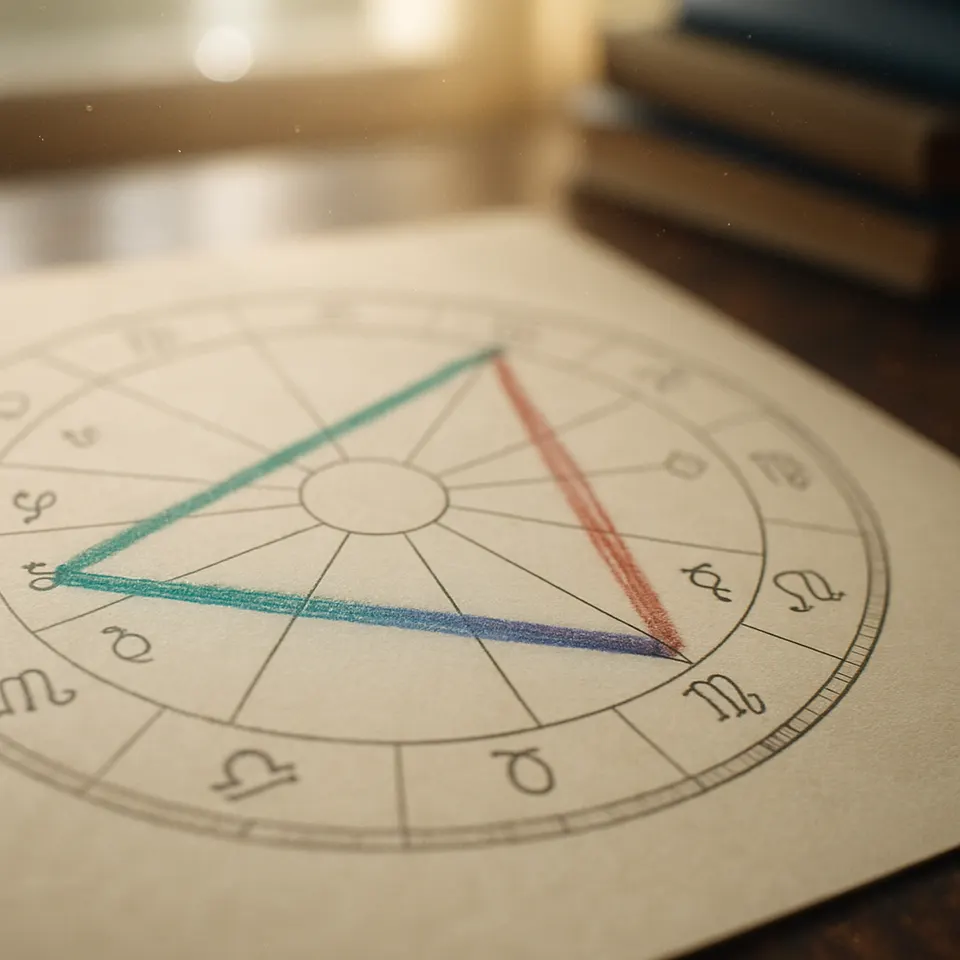
- Look for connections: Does the ruler of your tenth house sit in your second? Does your sixth house ruler aspect your eleventh?
- Check transits: Where are Jupiter and Saturn right now in relation to these four houses? Those are your current growth (Jupiter) and restructuring (Saturn) zones.
If you're feeling stuck, look at where Saturn is transiting. Saturn in your sixth might mean grinding through a tough daily work phase. Saturn in your tenth is restructuring your public role, often through hard lessons. Saturn in your second is rebuilding your finances and self-worth from the ground up.
Jupiter transits open doors. Jupiter through your eleventh brings new friends and opportunities. Jupiter through your tenth can bring recognition, promotions, or a career breakthrough (though it can also make you overconfident — don't quit your job the day Jupiter hits your MC without a plan).
The Traditional Texts Got This Right
The classical Vedic texts don't treat career as a single-house question. The Brihat Parashara Hora Shastra analyzes livelihood by examining the second, sixth, tenth, and eleventh lords in combination, along with the strength of the Ascendant lord (your vitality and agency) and the position of the Atmakaraka (the planet with the highest degree, representing your soul's desire).
Saravali (Chapter 38) adds that you should consider the Navamsa (ninth divisional chart) placements of these lords to understand the subtler, karmic dimension of your work.
Western astrology has caught up in recent years, but for a long time the tenth house dominated career readings. We've gotten better at looking at the whole picture, especially as more people build non-traditional careers, freelance, have side hustles, or find their calling later in life.
Your career isn't one thing. It's a house with four rooms. You need to walk through all of them.
Find Your Calling (For Real This Time)
If you've read this far, you're clearly serious about understanding your chart at a deeper level. And that's exactly the kind of person who benefits from a full reading, not just a blog post.
At AstroClick, you can get a free personalized astrological reading that maps your unique career houses, shows you where the current transits are activating your professional potential, and gives you specific guidance tailored to your birth chart. Not generic sun-sign advice. Your actual chart, your actual challenges, your actual calling.
Stop guessing. Your birth chart already has the answers. Let's find them together.