Vastu Tips for a Prosperous Home: The 8 Directions Explained
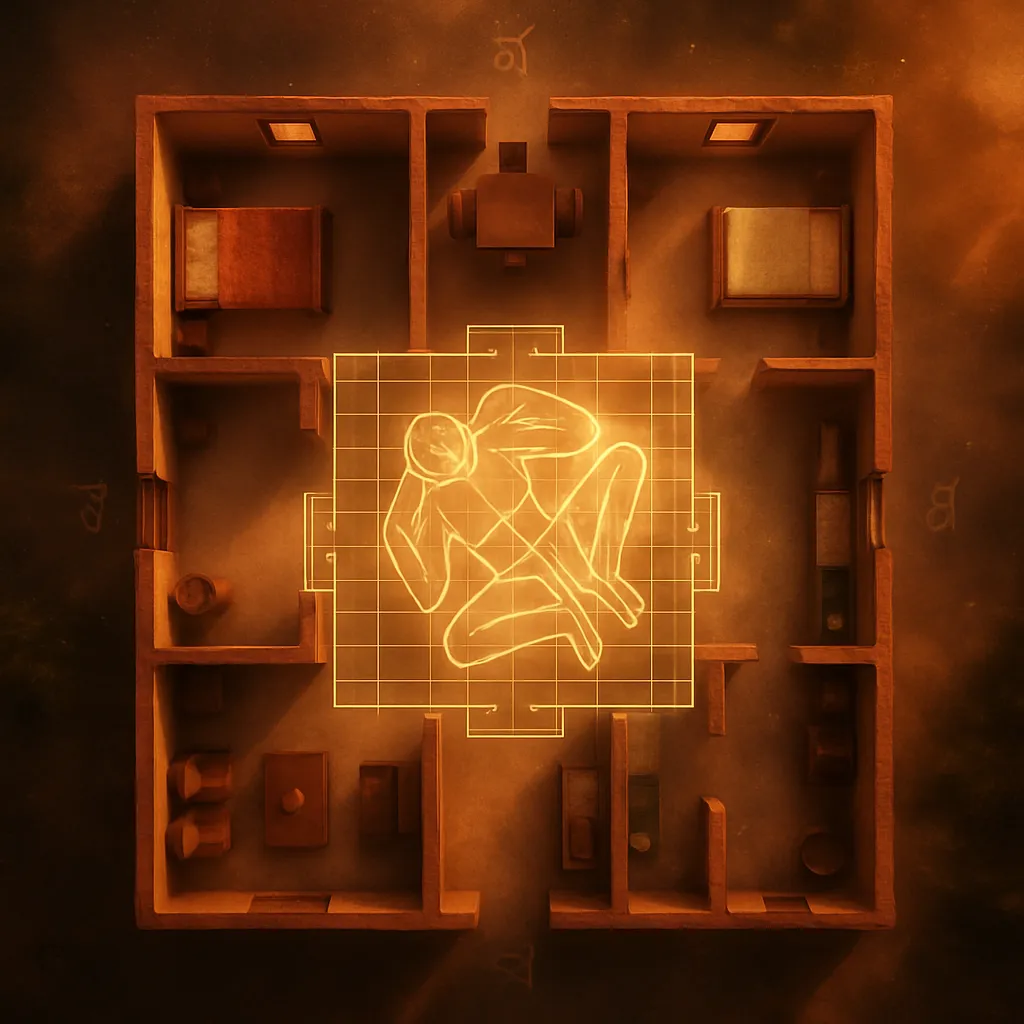
Each direction in your home carries specific energy according to Vastu Shastra. Learn how to align your space with cosmic forces for wealth, health, and harmony.
I once walked into a friend's Mumbai apartment and immediately felt restless. The kitchen sat in the northwest, the master bedroom in the southeast, and heavy furniture blocked every window. "We've had nothing but money stress since we moved in," she told me. Three months and a few deliberate shifts later (stove repositioned, bed moved, that massive almirah relocated), her husband got a promotion. Coincidence? Maybe. But Vastu Shastra would call it course correction.
Vastu isn't superstition dressed up in Sanskrit. It's an ancient architectural science that maps the relationship between built space and the five elements (earth, water, fire, air, ether). At its heart sits a simple geometric truth: every direction carries a distinct energetic signature, ruled by a specific deity and planet. When your home aligns with these natural forces, life flows. When it doesn't, you'll feel the friction in your health, finances, or relationships.
Let's break down all eight directions, what they govern, and how to work with them instead of against them.
North: The Direction of Kuber and Flowing Wealth
North belongs to Kuber, the deity of wealth, and is ruled by Mercury (Budha). This is where financial energy enters your home. Keep this zone open, light, and uncluttered. Heavy storage here is like damming a river—you block the very prosperity you're trying to invite.
Practical tips for the north:
- Place a water feature (aquarium, small fountain) in the north or northeast corner of your living room. Moving water symbolizes flowing income.
- Avoid toilets in the pure north if you can help it. If you've already got one, keep the door closed and the toilet lid down.
- Paint north-facing walls in soft whites, creams, or pale greens. Skip red and orange here; they're fire-element colours that clash with water's cooling influence.
- Open windows in the north as often as weather permits. Stagnant air equals stagnant money.
According to the Mayamata (a classical Vastu text), the north should be slightly lower than the south to allow cosmic energy to flow in. In practical terms, this means you don't want a tall compound wall blocking your northern exposure. If you're in an apartment, at least make sure this direction isn't weighed down by oversized furniture or dark, heavy curtains.
One more thing: if you run a business from home, face north while working on finances, invoicing, or client negotiations. Small shift, surprisingly effective.
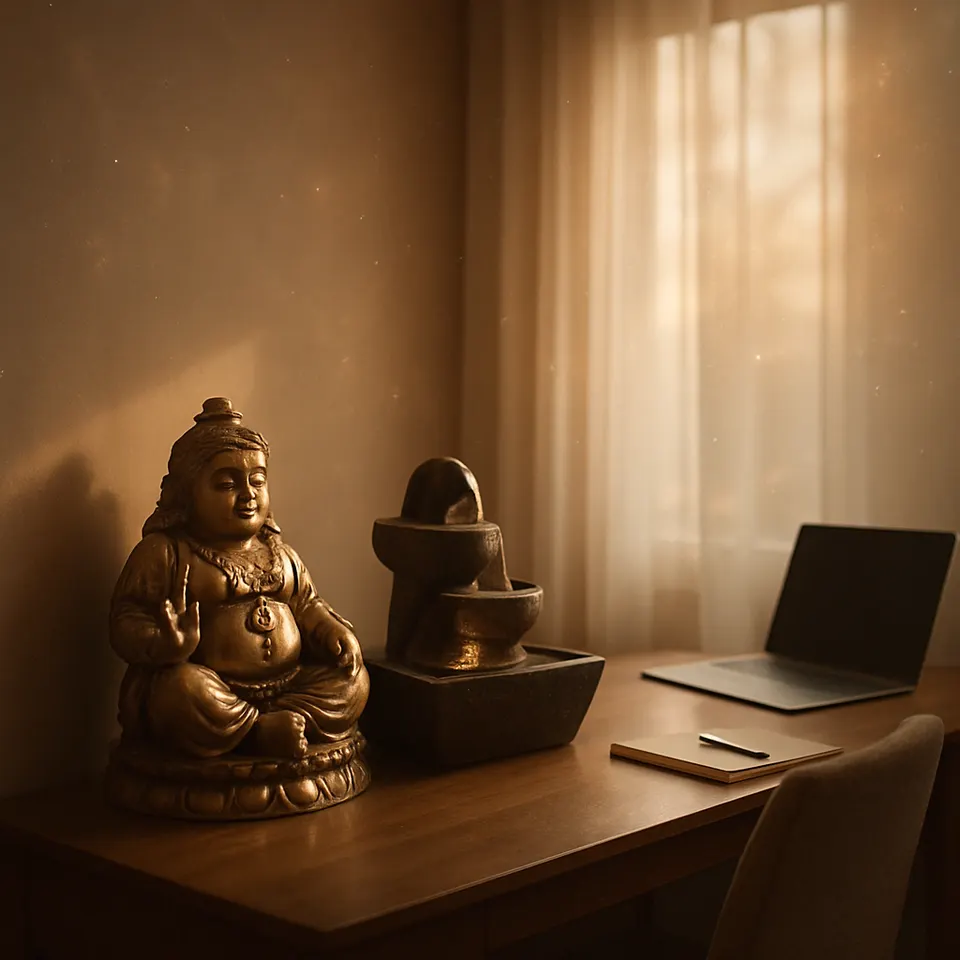
Northeast: The Ishanya Kona, Your Home's Spiritual Anchor
The northeast (Ishanya) is the most sacred zone in Vastu. Ruled by Jupiter (Guru) and presided over by Lord Shiva, this corner governs clarity, intuition, learning, and spiritual growth. It's also where the sun's first rays enter, making it naturally energizing.
Keep the northeast obsessively clean. I mean it. This isn't the place for shoe racks, brooms, or garbage bins. Ideally, use this space for prayer, meditation, study, or simply leave it open.
What works in the northeast:
- A small altar or puja room. If space is tight, even a shelf with a lamp and deity image is enough.
- Light colours: white, pale yellow, soft blue. Brightness amplifies the positive charge here.
- An open courtyard or balcony (if you're lucky enough to have one). The northeast loves emptiness and light.
What to avoid:
- Bathrooms or kitchens. Fire and waste in the northeast create mental fog and financial drain.
- Heavy furniture, especially tall almirahs or bulky storage. You're blocking your home's crown chakra.
- Dark or closed-off spaces. If the northeast feels dim or cramped, your decision-making will too.
Brihat Samhita (chapter 53) explicitly warns against wells or water tanks in the southwest while praising them in the northeast. The same logic applies to indoor water elements. A small vessel of fresh water (changed daily) in the northeast corner of your main room acts like a reset button for the whole house.
I've seen families place their kids' study desks in the northeast. Grades improve, focus sharpens. There's something about aligning learning with Jupiter's expansive intelligence that just works.
East: Surya's Domain and the Gateway to Vitality
East belongs to the Sun (Surya) and governs health, vitality, confidence, and social standing. This is the direction of beginnings, which is why traditional Vastu homes always emphasize eastern entrances.
If your main door faces east, you're already ahead. If not, you can still harness this direction's power by keeping the eastern part of your home open and well-lit. Place windows here. Let the morning sun flood in. That early light regulates circadian rhythm, boosts serotonin, and—according to Vastu—charges your entire space with solar prana.
Tips for the east:
- Bedrooms in the east work well for young adults and children. They'll wake naturally energized.
- Avoid heavy storage or tall trees immediately outside eastern windows. You don't want to block Surya's entry.
- Colours: whites, light yellows, golds. Think sunrise, not sunset.
- If you practice yoga or exercise at home, face east. You're literally aligning with the source of vitality.
One caution: don't place a toilet in the exact east (90 degrees on the compass). It's considered a direct insult to the Sun, and you'll feel it as low energy, poor immunity, or chronic minor ailments. If you've inherited this layout, keep a small brass Surya yantra in the eastern zone of your living room as a remedial anchor.
Southeast: Agni's Kitchen and the Seat of Fire
Southeast is ruled by Venus (Shukra) and the fire deity Agni. This is the ideal location for your kitchen. Fire thrives here, and when your stove sits in the southeast, meals nourish rather than deplete.
The logic is elemental. Fire in its home quadrant burns clean and controlled. Fire in the wrong zone (say, the northwest, which is ruled by air) becomes erratic—think appliance breakdowns, electrical issues, inflammation in the body, and heated arguments.
Kitchen placement is one of the most non-negotiable Vastu principles. If you're designing a new home or renovating, put the kitchen in the southeast. If you're stuck with a northwest or northeast kitchen (common in modern apartments), you can still salvage things:
- Place the stove or gas burner in the southeast corner of the kitchen itself.
- Cook facing east, so Agni receives the respect of Surya.
- Use a red or maroon backsplash behind the stove to strengthen the fire element.
- Keep a small bowl of sea salt in the northeast corner of the kitchen to absorb negative energy (replace it monthly).
Southeast also governs passion, creativity, and sexual energy (thanks to Venus). A master bedroom here can be intense—great for newlyweds, potentially exhausting for older couples. If your bedroom is in the southeast and you're feeling restless or irritable, try cooling it down with soft blues and greens, and avoid too much red or black decor.
South: Yama's Realm and the Anchor of Stability
South is ruled by Mars (Mangala) and presided over by Yama, the deity of death and dharma. Before you panic, understand that "death" in this context means endings, boundaries, and the weight that grounds a structure. The south is your home's stabilizer.
This is the best direction for the master bedroom, especially for heads of household. Sleeping with your head to the south (feet pointing north) aligns your body's magnetic field with Earth's, promoting deep, restorative sleep. Phaladeepika (chapter 12) mentions this orientation as conducive to longevity and health.
What thrives in the south:
- Heavy furniture: almirahs, safes, bookcases. Weight here creates a foundation.
- Earthy colours: browns, terracottas, deep reds, ochres.
- Closed or solid walls. The south doesn't need the openness the north craves.
What to avoid:
- Main entrances. A south-facing door isn't inherently bad (despite what your aunt says), but it requires more careful balancing with remedies.
- Water features. Water and Mars clash. You're inviting conflict and financial loss.
- Excessive emptiness. An empty, airy south makes the whole house feel unmoored.
If you've got a home office, face south when you need to make tough decisions, set boundaries, or handle conflict. Mars energy is decisive and protective—use it.
Southwest: The Nairutya Corner and the Seat of Ancestors
Southwest belongs to Rahu (the north lunar node) and the deity Nairutya (often linked to ancestors and the demonic forces that test us). This might sound ominous, but the southwest is actually the most important zone for stability, wealth retention, and authority.
Think of it this way: the northeast is where energy enters; the southwest is where you store it. If your southwest is weak, elevated, or cut off, money will flow in and right back out again. You'll work hard but struggle to build anything lasting.
Master bedroom in the southwest? Perfect. The head of the family should sleep here, ideally with the head pointing south or west. It reinforces leadership and stability within the home.
Southwest essentials:
- This zone should be the heaviest and highest part of your plot or apartment. If you're building, make the southwest wall thicker or taller.
- Avoid water tanks, underground sumps, or wells in the southwest. It's energetically destabilizing.
- Use dark, grounding colours: deep browns, grays, even black accents.
- Store valuables (jewelry, documents, fixed deposits) in the southwest. It's the vault of your home.
If your southwest has a cut (missing corner due to building shape) or a toilet, you'll likely face chronic instability—job insecurity, relationship turbulence, health issues that drag on. Remedies include placing a Rahu yantra in that zone, using heavy stone decor, or keeping a lighted lamp there every evening.
West: Varuna's Waters and the Zone of Gains
West is ruled by Saturn (Shani) and the deity Varuna, associated with water, relationships, and gains from trade. This direction governs profits, partnerships, and social connections.
Children's bedrooms work beautifully in the west. So do guest rooms, dining areas, and living rooms. The west is social, relational, and supports enjoyment without the intensity of the southeast.
West-facing homes get afternoon and evening light, which can be harsh. Use thick curtains, blinds, or light-filtering screens to soften it. Too much direct western sun heats the space (physically and energetically) and can lead to stress or aggression.
Tips for the west:
- Study rooms for teenagers do well here. Saturn's discipline supports focus.
- Avoid placing the kitchen in the pure west. It's not as bad as the northeast, but it's still off-balance.
- Colours: whites, light yellows, blues. Keep it cool to counter Saturn's natural heat.
- If you're storing grains, pulses, or pantry staples, the west or southwest are ideal.
Northwest: Vayu's Gateway and the Flow of Movement
Northwest is ruled by the Moon (Chandra) and Vayu, the wind deity. This zone governs movement, change, travel, and transient relationships. It's the most unstable quadrant, which isn't bad—it just means you don't want permanence here.
Guest rooms, garages, and storerooms for items you use occasionally fit perfectly in the northwest. So do bathrooms (one of the few zones where a toilet doesn't cause major issues). But a master bedroom here? You'll feel restless, disconnected, and prone to frequent travel or relocation.
The northwest is also ideal for your car parking. Movement, vehicles, and change all resonate with Vayu's breezy nature.
What works in the northwest:
- Light, movable furniture. Think rattan chairs, folding tables, open shelving.
- Whites, grays, and metallic tones. Air-element colours.
- Spaces you use temporarily: guest suites, storage for seasonal items, laundry rooms.
What doesn't work:
- Heavy safes or fixed storage. You'll feel stuck, unable to move forward.
- Master bedroom. Moon's fluctuating nature here creates emotional instability and poor sleep.
- Overhead water tanks are acceptable in the northwest (unlike the southwest), but keep them clean and well-maintained. Stagnant water here breeds mental clutter.
Bringing It All Together: Your Home as a Living Mandala
Here's the thing most Vastu articles won't tell you: perfection is impossible. Almost no one lives in a flawless Vastu home. Modern architecture, budget constraints, and pre-existing layouts mean you'll always be working with compromises.
And that's okay.
The goal isn't to tear down walls or move halfway across the city. It's to understand the energetic blueprint of your space and make small, strategic adjustments. Move your bed. Reposition your stove. Clear the clutter from your northeast. Hang a mirror to visually expand a tight corner. Add a plant, a lamp, a splash of color in the right zone.
Vastu is a dialogue, not a diktat. You're not trying to force your home into submission; you're learning its language and working with it. Some directions will naturally suit your life stage and goals. Others might need a little help.
Start with one direction. Notice what shifts. Then move to the next. Over time, your home becomes a mandala—a geometric representation of cosmic order that supports your health, wealth, and happiness not through magic, but through intelligent design.
If you want to go deeper and see how Vastu principles intersect with your personal birth chart, AstroClick offers free astrological readings that map your unique planetary influences. Sometimes the reason a particular room feels "off" isn't just Vastu—it's a clash between the space and your natal placements. Understanding both gives you the full picture and the power to create a home that truly supports who you are.