Moksha Houses 4, 8, 12: The Trinity of Liberation
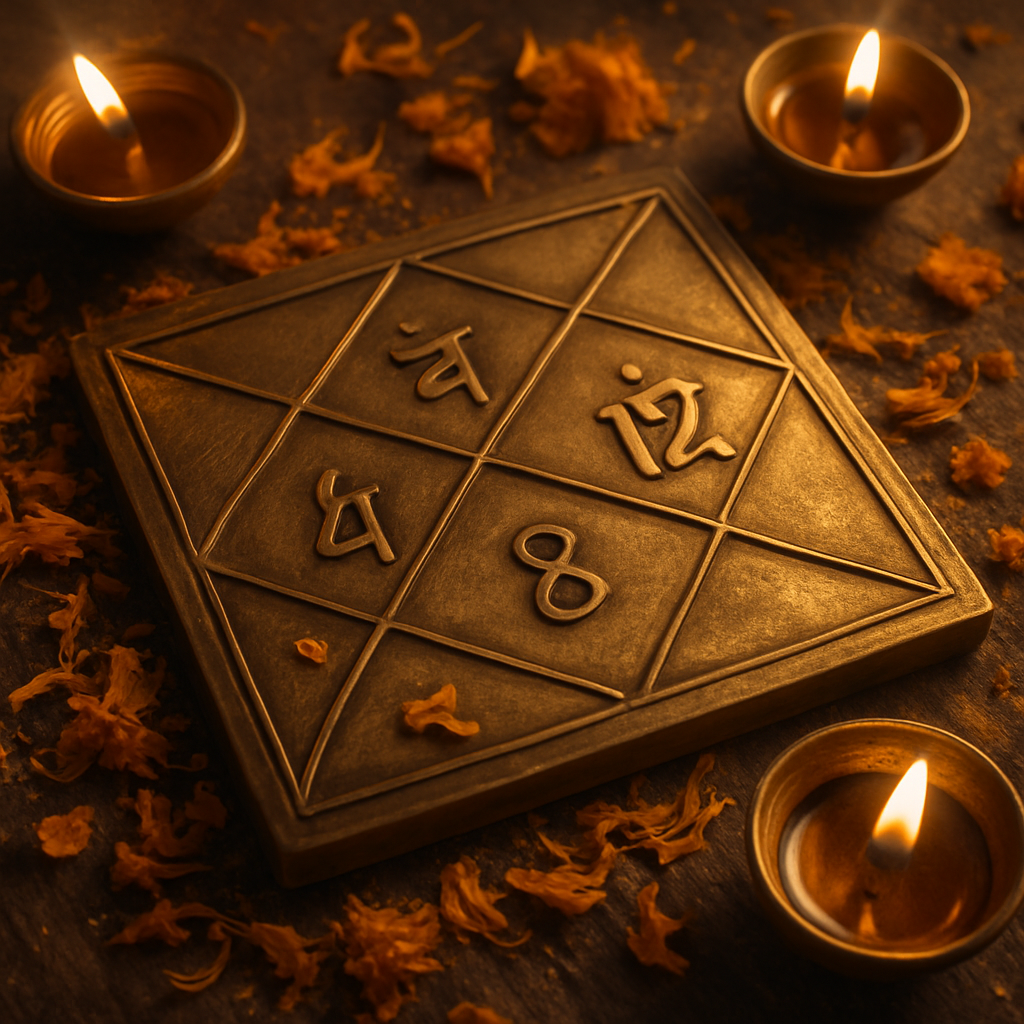
The 4th, 8th, and 12th houses hold the map to spiritual freedom. Each one asks you to surrender something different on the path to moksha.
The Houses That Make You Let Go
You've probably heard astrologers talk about the "good" houses and the "difficult" ones. Career houses. Money houses. Love houses. But there's a category that doesn't fit neatly into either camp, and most modern astrology glosses right over it: the moksha houses.
In Vedic astrology, the 4th, 8th, and 12th houses form what's called the moksha trikona, the triad of spiritual liberation. Moksha is one of the four purusharthas (life goals) in Hindu philosophy. It means freedom from the cycle of birth and death, the dissolution of ego, union with the divine. Heavy stuff. And these three houses, despite looking wildly different on the surface, all share one mission: they force you to loosen your grip on the material world.
The 4th house teaches you to surrender comfort. The 8th asks you to surrender control. The 12th demands you surrender identity itself. Together, they create a spiral staircase that leads away from attachment and toward something bigger than your personal story.
Let's look at how each one works, what planets and signs amplify their spiritual potential, and why these houses have been misunderstood for so long.
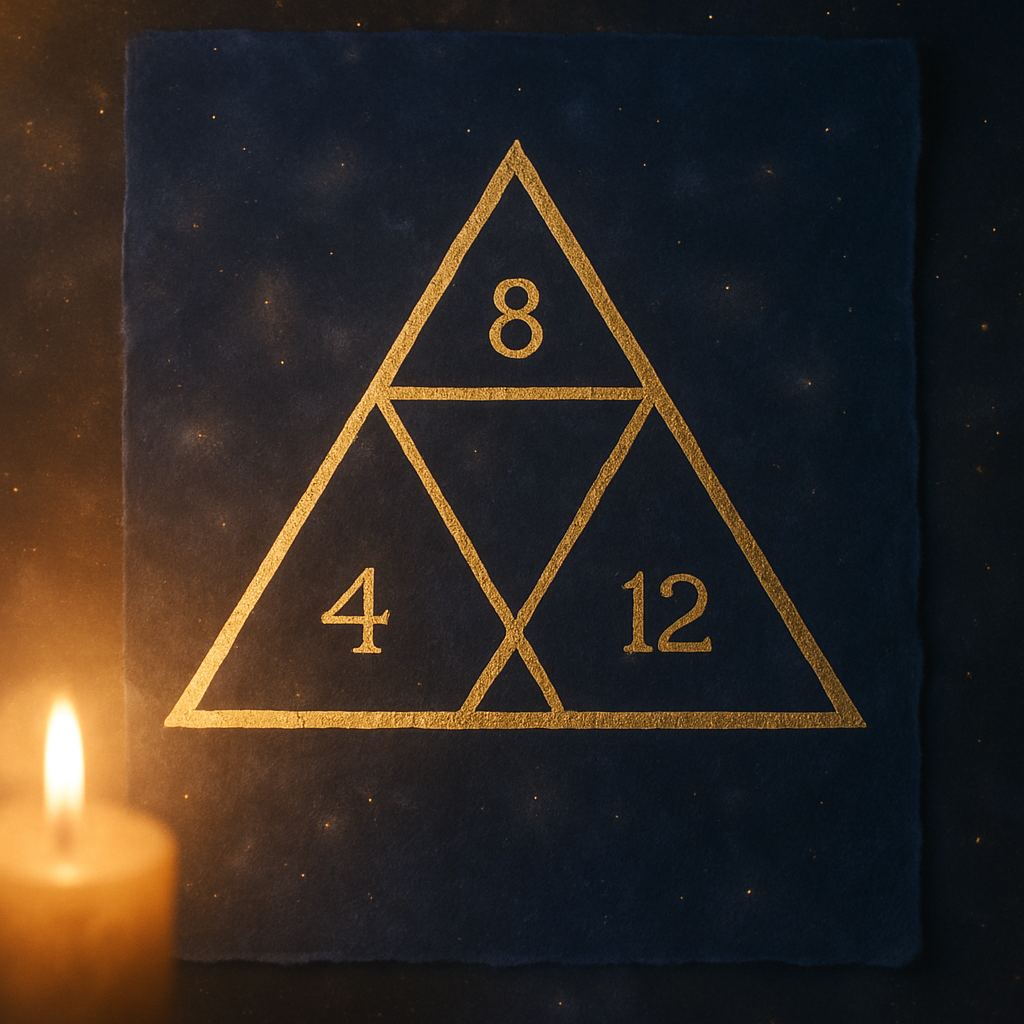
The Fourth House: Peace Through Roots
The 4th house is where you come home. It governs your mother (or primary caregiver), your literal residence, your emotional foundation, land, vehicles, and the final chapter of life. In the Kendra system (houses 1, 4, 7, 10), it's an angular powerhouse. But it's also the first of the moksha houses, and that dual nature confuses people.
Here's the thing: the 4th house asks, "What do you need to feel safe?" And then it slowly, over decades, teaches you that no external thing can answer that question. Not your childhood home. Not your mother's approval. Not the perfect apartment or the right neighborhood. Safety, real safety, is an inside job.
Classical texts like the Brihat Parashara Hora Shastra (Chapter 11) list the 4th as the house of sukha, which translates to happiness, comfort, ease. But sukha has a deeper meaning: the kind of contentment that comes from alignment with dharma, not from acquiring more stuff. When you stop chasing comfort and start building inner stability, the 4th house opens a door to moksha.
Planets here tell you how that journey unfolds:
- Moon in the 4th: You're wired to seek emotional safety, but the Moon here can trap you in nostalgia or dependency. The spiritual work is learning to mother yourself.
- Saturn in the 4th: A tough placement. Often points to a cold or absent mother, a difficult childhood home. But Saturn here is like a strict meditation teacher: it strips away sentimentality and forces you to find peace in solitude.
- Ketu in the 4th: This is one of the most spiritually potent combinations. Ketu (the south node) represents detachment and past-life mastery. Here, you've already done the "home and family" thing in previous lifetimes. You might feel like an outsider in your own household, but that distance is the gift. It frees you to seek a cosmic home instead of a physical one.
- Jupiter in the 4th: Expands your inner world. Can indicate a mother who was a teacher or guide. Jupiter here often brings peace through study, ritual, or devotion practiced at home.
The 4th house also rules the heart chakra (anahata) in some esoteric systems. When you work with this house consciously, you're not just healing family wounds. You're learning to rest in your own heart, regardless of what's happening outside.
The Eighth House: Death as a Teacher
If the 4th house is a quiet meditation hall, the 8th is a cremation ground at midnight. It's the house of death, transformation, occult knowledge, sudden upheaval, inheritance, sex, and other people's money. It has a terrible reputation. And it deserves some of it.
But here's what most Western astrology misses: in the Vedic tradition, the 8th house isn't just about crisis. It's about initiation. It governs the experiences that crack you open so something new can emerge. And that's exactly what moksha requires.
The Phaladeepika (Chapter 15) describes the 8th as ayus sthana, the house of longevity. Not because it makes you live longer, but because it confronts you with mortality. When you meditate on death, not as a concept but as a lived reality, everything shifts. Petty grievances evaporate. Ego defenses soften. You start asking better questions.
Planets in the 8th house color how you meet that confrontation:
- Mars in the 8th: Can indicate sudden accidents or a violent temper. But spiritually, Mars here gives you the warrior's courage to face the shadow. You're not afraid of the dark parts of yourself or others.
- Venus in the 8th: Sex and desire become gateways to transformation. Tantra, sacred union, using the body as a path to transcendence. Venus here can also mean financial support from a partner, but the deeper lesson is about merging and dissolving boundaries.
- Ketu in the 8th: Another powerfully moksha-oriented placement. You're naturally drawn to the occult, astrology, mysticism, death rites. Ketu here often shows past-life experiences with spiritual initiation, and in this life you might cycle through many ego deaths.
- Saturn in the 8th: Forces you to confront fear, loss, and suffering slowly and methodically. Saturn delays but deepens. If you survive Saturn in the 8th (and you will), you emerge with a kind of unshakable calm.
The 8th house also governs kundalini energy, the coiled serpent at the base of the spine. When you do serious spiritual practice, especially breathwork or tantric techniques, you're activating 8th house energy. It's not comfortable. But it's effective.
One more thing: the 8th is three houses away from the 6th (enemies, obstacles) and supports the 5th (creativity, intelligence) by trine. In other words, transformation feeds your creative and intellectual life. The breakdowns you endure here become the material for wisdom.
The Twelfth House: The Final Surrender
If you want to understand the 12th house, go sit in a monastery for a week. Or a hospital. Or a prison. These are all 12th house places: institutions where you lose your individuality, where the normal rules don't apply, where you're stripped of control.
The 12th governs loss, isolation, foreign lands, sleep, dreams, the subconscious, enlightenment, and moksha itself. It's the house of vyaya, expenditure. You spend yourself here. You pour out. And if you resist, the 12th house will take from you anyway: health, money, relationships, reputation.
But if you go willingly, if you learn to give and release and dissolve, the 12th house becomes the doorway to liberation.
The Saravali (Chapter 37) calls the 12th the house of "bed pleasures" (a euphemism for sex and sleep) and also "final emancipation." That pairing isn't random. Both involve a temporary loss of self. In sleep, the ego dissolves every night. In deep meditation or samadhi, the same thing happens, but consciously. The 12th house teaches you to let go while you're still awake.
Planets here show your relationship to that dissolution:
- Jupiter in the 12th: One of the best placements for spiritual life. Jupiter expands the 12th house themes: foreign travel (often for pilgrimage), generosity, time spent in ashrams or retreat. You give freely and find that giving itself is the reward.
- Venus in the 12th: Can indicate secret relationships or expenditure on luxury. But spiritually, Venus here is about finding beauty in solitude, devotion through art or music, losing yourself in aesthetic or mystical experience.
- Ketu in the 12th: This is Ketu's favorite house. It's already detached, already pointing away from material life. You might feel like a stranger in the world, but you're at home in meditation, prayer, or any practice that quiets the mind.
- Sun in the 12th: The ego (Sun) is hidden or diminished here. Can indicate a father who was absent or distant, or a sense that you don't quite fit into society. But the Sun in the 12th can also burn through illusion. You're here to shine in private, to serve without recognition.
- Moon in the 12th: Your mind wanders to other realms. Can indicate strong intuition, vivid dreams, or anxiety and insomnia. The spiritual opportunity is to turn that sensitivity inward, to use the imagination as a vehicle for transcendence.
The 12th house also rules the feet. In Indian tradition, touching the guru's feet is an act of humility and devotion. The 12th asks you to bow, literally and figuratively. To admit you don't have all the answers. To walk away from what no longer serves.
How the Moksha Trinity Works Together
These three houses don't operate in isolation. They form a feedback loop, each one preparing you for the next stage of letting go.
The 4th house asks you to detach from comfort and external security. You learn to rest in your own heart. That's the foundation.
The 8th house shatters whatever sense of control you've built. You confront death, crisis, transformation. You realize you're not in charge, and that realization is terrifying and freeing in equal measure.
The 12th house completes the cycle. You dissolve entirely. Boundaries between self and other blur. You spend your energy, your resources, your identity in service of something bigger.
When planets aspect across these houses, or when you're running a dasha (planetary period) of a moksha house lord, these themes intensify. For example, if your 12th house lord is placed in the 8th, you might be drawn to occult practices (8th) that lead to ego dissolution (12th). If your 4th house lord aspects the 12th, you might find peace (4th) through meditation or foreign residence (12th).
Here's a quick example from a real chart: Mahatma Gandhi had Ketu in the 4th house and the Moon (his 4th lord) in the 9th house of dharma and higher learning. His emotional foundation (4th) was detached (Ketu), and his peace came through spiritual teaching (9th). He also had Saturn in the 12th house in Libra. Saturn in the 12th gave him the discipline for fasting, silence, and renunciation. Libra's influence made those sacrifices public and political, but the core impulse was moksha.
Common Misconceptions About Moksha Houses
Let's clear up a few myths that float around online astrology circles.
Myth 1: Moksha houses are "bad" for material success. Not true. Plenty of wealthy, successful people have strong moksha houses. What these houses do is complicate your relationship with success. You achieve things, but you don't cling to them. Or you achieve and feel empty, which forces you to look deeper.
Myth 2: You have to become a monk if you have planets in moksha houses. No. Moksha doesn't require you to abandon life. It asks you to live without attachment. You can have a family, a career, a mortgage. The difference is in how you hold those things: loosely, gratefully, knowing they're temporary.
Myth 3: Only the 12th house is "spiritual." The 12th gets all the press, but the 4th and 8th are just as important. The 4th teaches inner peace. The 8th teaches surrender through crisis. All three are necessary.
Myth 4: Benefic planets (Jupiter, Venus) make moksha houses easier. They make them more comfortable, maybe. But comfort isn't the point. Ketu and Saturn, the so-called malefics, are often more effective spiritual teachers because they don't let you off the hook.

Working Consciously with Your Moksha Houses
So how do you actually use this information? How do you engage with the 4th, 8th, and 12th houses in a way that supports your spiritual growth?
First, look at your chart. Which of the moksha houses contain planets? Which signs rule their cusps? Where are the lords of those houses placed? These details will tell you where the path of liberation is calling you.
If you have planets in the 4th, focus on building a sacred space at home. Create a daily ritual, even if it's just five minutes of silence in the morning. Work on healing your relationship with your mother or primary caregiver, not by forcing reconciliation, but by understanding their humanity.
If you have planets in the 8th, don't run from crisis. When life cracks you open, lean into the discomfort. Study subjects that scare you: death, the occult, psychology, shadow work. Consider therapy or breathwork or plant medicine, whatever helps you face what you've been avoiding.
If you have planets in the 12th, give yourself permission to be alone. Schedule regular time for meditation, prayer, or just walking in silence. Practice generosity without expecting anything in return. If you're drawn to foreign lands or different cultures, follow that pull.
And if you don't have planets in these houses? Look at the lords. Your 4th house lord's placement will tell you where emotional peace lives for you. Your 8th house lord shows where transformation happens. Your 12th house lord points to the area of life where you're meant to dissolve and serve.
Transits to moksha houses are also significant. When Saturn transits your 12th house (which happens once every 29 years and lasts about 2.5 years), you're in a period of deep spiritual pruning. When Jupiter transits your 8th, you might receive an inheritance or experience a philosophical transformation. Pay attention.
Why This Matters Now
I'll be honest: the moksha houses aren't popular in modern astrology. We live in a culture that worships achievement, accumulation, and control. The 10th house (career) and the 2nd house (money) get all the attention. And I get it. We have bills to pay.
But there's a cost to ignoring the moksha houses. Burnout. Existential dread. The creeping sense that no matter how much you achieve, it's never enough. These are symptoms of a life lived entirely in the artha (wealth) and kama (desire) houses, with no space for moksha.
The moksha houses remind you that you're not here just to produce and consume. You're here to wake up. To remember what you are beneath the roles and titles and possessions. And that work, that inner work, is what makes everything else meaningful.
The beauty of the moksha trikona is that it meets you where you are. You don't have to be "spiritual" or enlightened to start. You just have to be willing to let go. A little bit at a time. The 4th house asks you to soften. The 8th house asks you to break. The 12th house asks you to disappear. And on the other side of all that surrender is something you can't plan or achieve: freedom.
If you're curious about how the moksha houses show up in your chart, there's no better way to explore than with a personalized reading. At AstroClick, we offer free astrological readings that map your unique path, including the spiritual dimensions most modern astrology overlooks. You'll see exactly where the 4th, 8th, and 12th houses sit in your chart, which planets inhabit them, and what that means for your journey toward liberation. It takes two minutes to get started, and you might just find the piece of the puzzle you've been missing. Check it out and see what your chart has been trying to tell you all along.