Makar Sankranti: When the Sun Enters Capricorn and Why It Matters
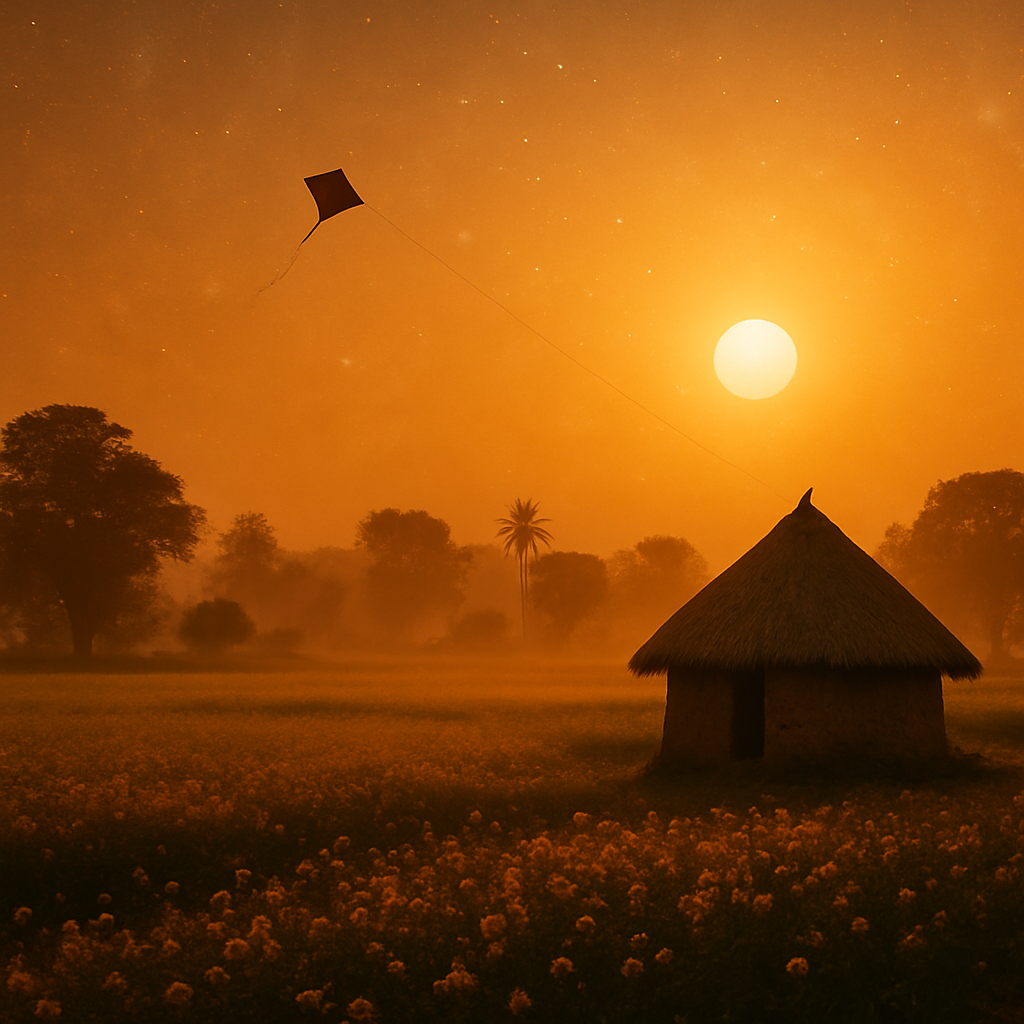
Makar Sankranti marks the Sun's transition into Capricorn—a harvest festival rooted in astronomy. Discover why this day is sacred, how it's celebrated across India, and the cosmic shift it signals for you.
The Sun doesn't care what you have planned. It rises, sets, and moves through the zodiac with an indifference that can feel almost cruel — unless you stop to watch it. On January 14 (or sometimes the 15th, depending on the year), something specific happens: the Sun leaves Sagittarius and enters Capricorn, the sign of the sea-goat. In Vedic astrology, this is called Makar Sankranti. And it's not just another transit — it's a festival.
Most astrological celebrations are tied to the Moon (think Diwali or Holi). But Makar Sankranti is different. It follows the Sun. It's one of the few Hindu festivals that's fixed to the solar calendar, which means it lands on the same Gregorian date almost every year. That's your first clue: this day has more to do with astronomy than mythology. But don't be fooled — the mythology is rich, and the traditions run deep.
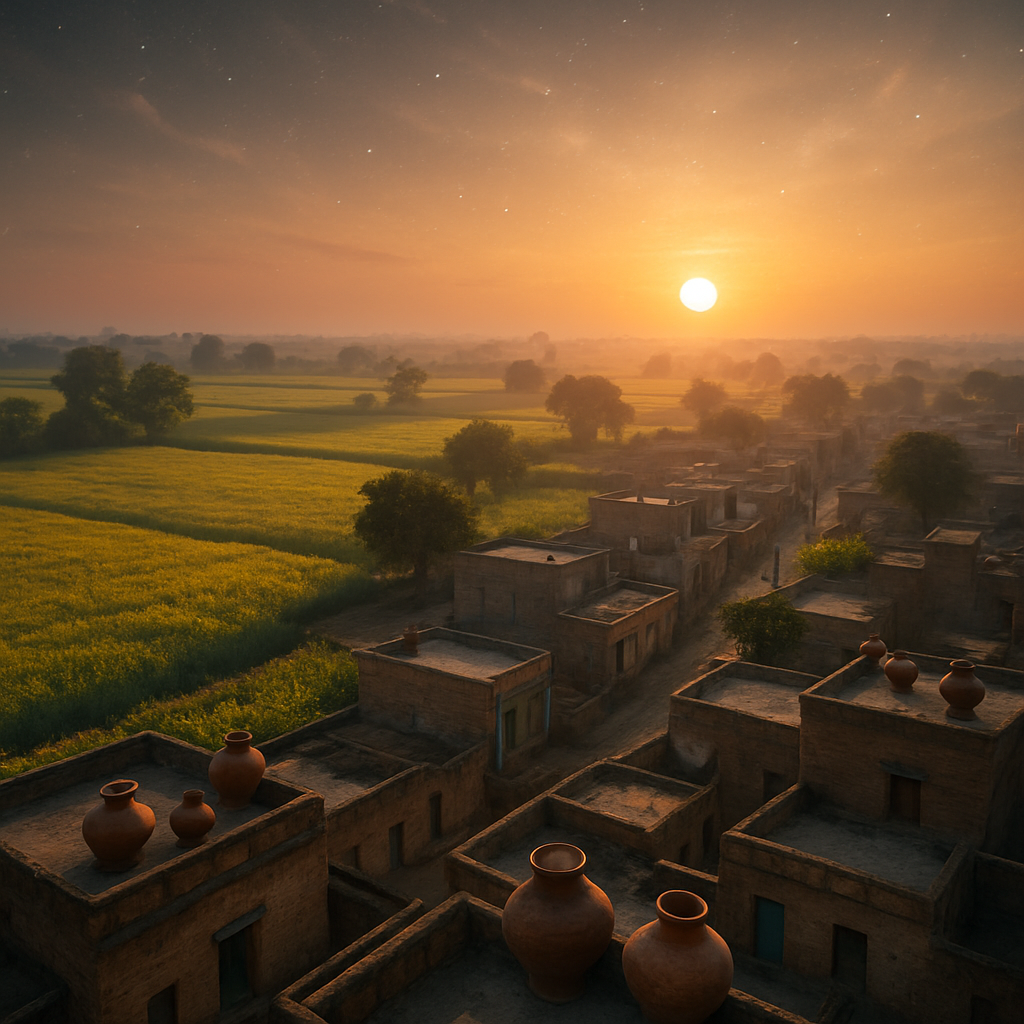
What Actually Happens on Makar Sankranti?
Here's the astronomy: The Earth orbits the Sun at a tilt, which means the Sun's apparent path across the sky — the ecliptic — shifts through the year. In Vedic astrology, the zodiac is sidereal, meaning it's fixed to the actual constellations. So when the Sun moves from Sagittarius (Dhanus) to Capricorn (Makara), it's a real shift in the sky. The Sun has been in the southern arc of its journey (the Dakshinayana), and now it turns north. This is the start of Uttarayana — the six-month period when the Sun moves northward.
In the Mahabharata, Bhishma Pitamah chose to die on this day because he knew that death during Uttarayana grants liberation from the cycle of rebirth. That's how significant this moment is. The Sun, the giver of life, starts climbing again. Days get longer. The harvest ripens. Prosperity is in the air.
But here's the thing: the actual Uttarayana (the winter solstice, when the Sun begins its northward movement) happens around December 21. There's a 23-day difference because of the precession of the equinoxes. So technically, Makar Sankranti is a celebration of the solstice as it was 2,000 years ago. Tradition holds on — even when the sky changes. I find that beautiful.
Why Capricorn Matters in This Transit
The Sun is exalted in Aries and debilitated in Libra. But when it enters Capricorn — the sign of its best friend Saturn — something interesting happens. The Sun is not at its strongest here, but it's comfortable. Saturn (the ruler of Capricorn) is all about discipline, structure, and slow, steady growth. The Sun in Capricorn is like a CEO who shows up early, works late, and expects you to do the same. It's not flashy, but it gets results.
Traditionally, this is a good time for setting long-term goals. The Sun in Sagittarius (the previous sign) is optimistic and expansive — it wants to book a trip to Mars. Capricorn wants to check your retirement account and see if the roof needs fixing. You need both, but Makar Sankranti is the switch from dreaming to doing.
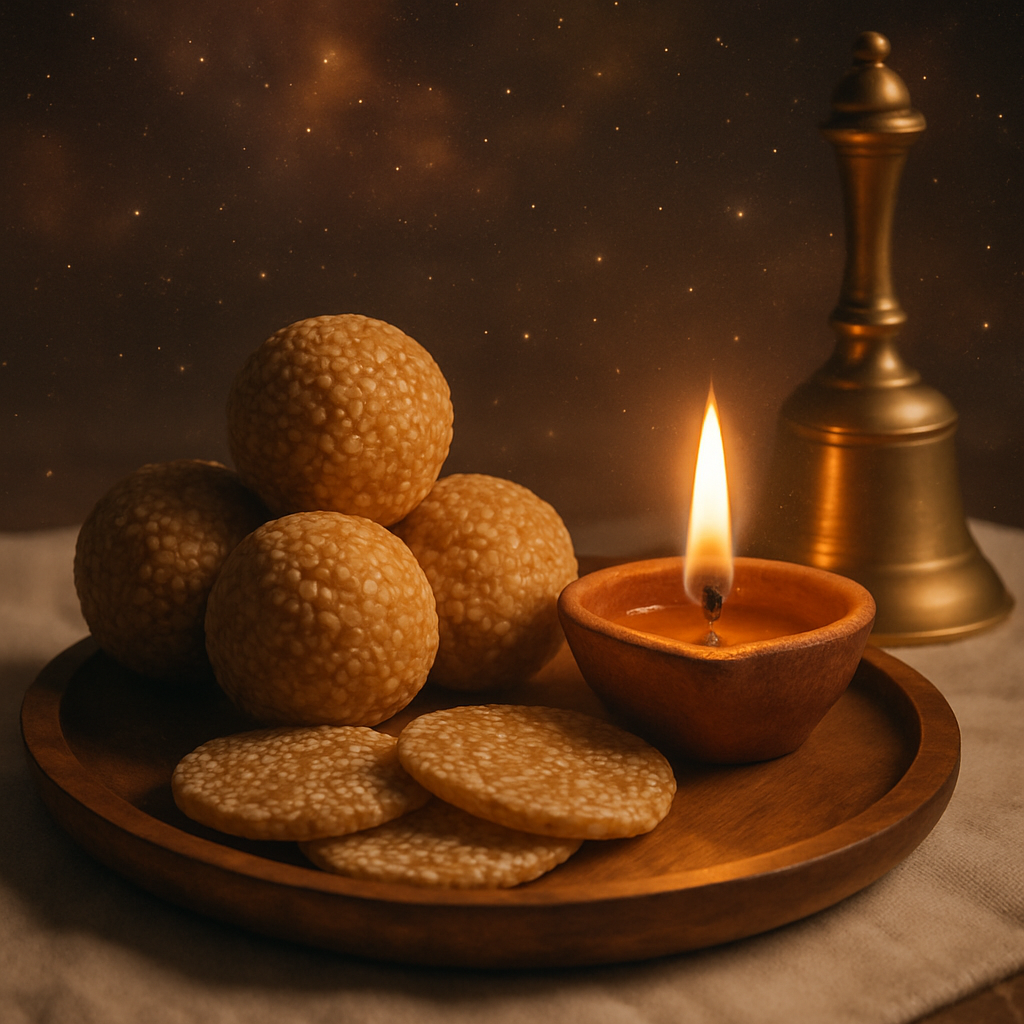
And because this is a festival, we don't just meditate on this — we celebrate. The common thread across India is tilgul: sesame and jaggery sweets. Sesame seeds represent the seeds of the past that now bear fruit. Jaggery is the sweetness of the harvest. You eat them and say, "Bola, gola, god god bola" — speak sweetly, be friendly. The message is clear: this is a time to reset relationships. Forgive old grudges. Start fresh.
How India Celebrates Makar Sankranti (And Why You Should Care)
One name, a dozen festivals. In Punjab, it's Lohri — bonfires, dancing, and a lot of popcorn. In Gujarat, it's the kite festival (Uttarayan) — the sky fills with fighting kites, and people say the thread-cutting represents cutting away old karma. In Tamil Nadu, it's Pongal — a four-day harvest festival where you boil rice with milk until it overflows (that's the pongal, literally "it boils over"). The overflowing pot symbolizes abundance.
In Assam, it's Magh Bihu. In Bihar, it's Khichdi (yes, the same dish you eat when you're sick — but festive). In Maharashtra, people exchange tilgul and wear black (the color of Saturn) to absorb the planet's energy. In Andhra Pradesh, it's a three-day affair with rangoli and new clothes.
What do all these have in common? Sun worship. Gratitude for the harvest. Community. And a recognition that the Sun is the source of everything — not just light, but the very cycle of life, death, and rebirth. Makar Sankranti is a reminder that even the most predictable cosmic event can be a reason to celebrate.
So why should you care? Because the Sun enters Capricorn every year, and every year, it's a chance to reassess your direction. Are you still chasing the same goals from six months ago? Are you letting old feuds drain your energy? The ritual of eating something sweet and sharing it with someone you've argued with — that's not just cultural. It's practical magic.
In the Brihat Parashara Hora Shastra (Chapter 3, verses 5–8), it's said that when the Sun changes signs, the effects are felt by all beings — not just humans, but animals, plants, even the weather. Parashara says that the strength of the Sun at the time of sankranti determines the rains for the coming season. So this isn't just about you. It's about the planet.
What This Means for Your Birth Chart
Here's where it gets personal. In Vedic astrology, the Sun represents your soul, your vitality, your father, your authority. When he moves into Capricorn, you might feel a subtle shift in these areas — especially if you have planets in the cardinal signs (Aries, Cancer, Libra, Capricorn).
If you have your Sun in Capricorn (you're a Capricorn in Western, or Makara in Vedic), this is your solar return. The Sun is back where it was when you were born. This is a powerful time to set intentions. You might feel more serious, more focused, more aware of time passing. Use it.
If you have your Moon in Capricorn, this transit can feel grounding — or heavy. The Sun illuminates your emotions, making you aware of what you're really feeling beneath the surface. It's a good time for journaling or talking to a therapist.
If you have strong Saturn in your chart (Saturn return, Saturn in the 1st, 10th, or 7th house), Makar Sankranti can amplify that. Saturn is the ruler of Capricorn, so the Sun entering his sign is like a guest coming to visit the boss. You might feel the weight of responsibility, but also the satisfaction of doing hard work.
And if you're not into technical astrology? Just pay attention to the Sun. He's the source of all life. His shift into Capricorn is a cosmic punctuation mark — a full stop after a long sentence, then a new paragraph. What do you want to write?

The Bottom Line
Makar Sankranti is a festival that doesn't care about your zodiac sign. It's a solar event — and the Sun affects everyone equally. But if you're reading this, you're probably the kind of person who likes to know why things matter. So here's why:
- It's one of the oldest continuously celebrated festivals in the world, predating most modern religions.
- It's a rare moment when astronomy, astrology, mythology, and agriculture align perfectly.
- It's a day when the Sun begins its northward climb — a symbol of hope, renewal, and the promise that winter won't last forever.
So on January 14, step outside. Feel the sunlight on your face. Eat something sweet with someone you love. And if you want to go deeper — maybe get a free reading on AstroClick to see what this transit means for your own chart. The stars moved for everyone, but they moved for you too.
Wishing you a sweet and grounded Makar Sankranti. Bola, gola, god god bola.