The Life Line, Heart Line, Head Line: A Beginner's Guide to Palmistry
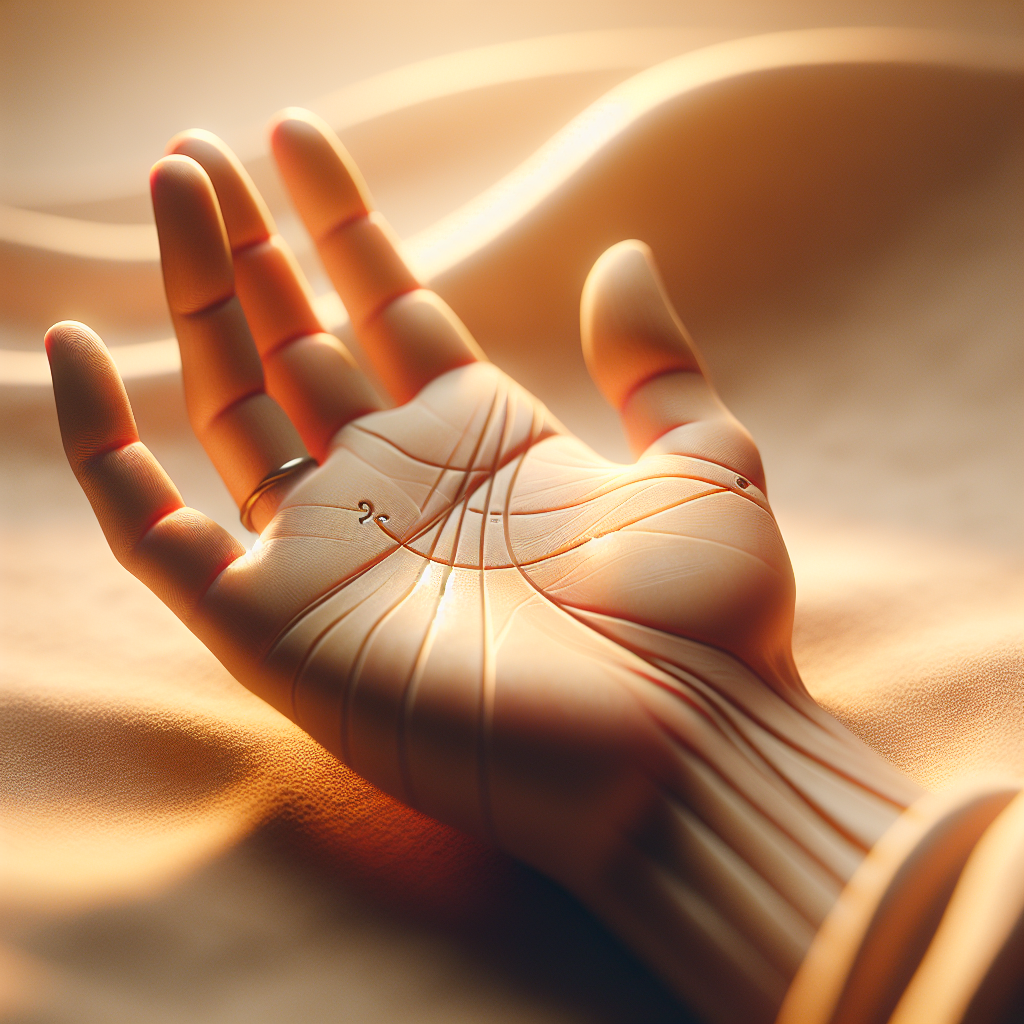
Discover the meaning behind your palm's three major lines. Learn to read the Life Line, Heart Line, and Head Line with this comprehensive beginner's guide to palmistry.
Hold your hand up to the light and examine your palm closely. Those intricate lines crisscrossing your skin aren't random—they're a map of your personality, potential, and life path. For thousands of years, palmistry has offered seekers a window into the soul, written in the language of the hand. Today, we'll unlock the secrets of the three most important lines in palm reading: the Life Line, Heart Line, and Head Line.
Understanding the Fundamentals of Palmistry
Palmistry, also known as chiromancy, is an ancient practice that dates back over 5,000 years to India and China. The art spread through Egypt, Greece, and Rome, gaining credence among scholars and mystics alike. Aristotle himself wrote about palm reading, and the practice found mention in early Hindu and Chinese texts on divination.
In traditional palmistry, we read the dominant hand—the one you write with—for your present and future, while the non-dominant hand reveals your inherited traits and past. The palm contains dozens of lines, mounts, and markings, but three major lines form the foundation of any reading: the Life Line, Heart Line, and Head Line. These primary lines appear on virtually every human hand and provide the most fundamental information about a person's character and destiny.
Before you begin reading palms, ensure good lighting and relax your hand in a natural, slightly curved position. Don't flatten your palm completely, as this distorts the lines. Take time to observe the overall quality of the lines—are they deep and clear, or faint and broken? Deep, well-defined lines suggest strong energy in that area of life, while faint lines indicate more subtle influences.
The Life Line: Your Vitality and Life Force
Contrary to popular belief, the Life Line does not predict how long you'll live. Instead, this prominent curved line reveals the quality of your life force, your physical vitality, and how you approach life's journey. The Life Line begins near the thumb, between the thumb and index finger, and curves downward around the thumb's base toward the wrist.
A deep, clear Life Line indicates robust health, high energy, and enthusiasm for life. You likely possess strong stamina and recover quickly from setbacks. If your Life Line is long and sweeps in a wide arc, you have abundant vitality and probably enjoy physical activities. A narrow arc closer to the thumb suggests you may be more cautious or conservative in your approach to life, preferring familiar territory to bold adventures.
The length of the Life Line reveals how you spend your energy. A long line that extends nearly to the wrist shows sustained vitality throughout life, while a shorter line doesn't mean a short life—it simply indicates you may need to be more mindful of conserving your energy. Many successful people have shorter Life Lines, which they compensate for through self-care and pacing themselves wisely.
Look for the following characteristics along your Life Line:
- Breaks or gaps: Significant life changes, relocations, or shifts in lifestyle
- Chains or islands: Periods of health challenges or reduced vitality
- Small lines branching upward: Periods of achievement, success, or improved circumstances
- Lines branching downward: Times of energy depletion or setbacks
- A sister line running parallel: Extra protection and vitality, sometimes called a "Guardian Angel line"
The starting point of your Life Line also matters. If it begins joined with the Head Line, you were likely a cautious child who thought before acting. A wide separation between the Life and Head Lines at their origin suggests an independent, impulsive nature and a bold approach to life from an early age.
The Heart Line: Emotions, Love, and Relationships
The Heart Line is the uppermost horizontal line on your palm, running from the pinkie side of your hand toward the index finger. This crucial line reveals your emotional nature, how you give and receive love, and your approach to relationships. In many ways, the Heart Line is the window to your emotional intelligence and capacity for connection.
First, notice where your Heart Line ends. If it terminates beneath your index finger, you're idealistic about love and set high standards for partners. You seek deep emotional and spiritual connections and won't settle for superficial relationships. A Heart Line ending beneath the middle finger suggests you're more practical in love, perhaps even a bit self-centered in relationships, needing significant personal space.
A Heart Line that ends between the index and middle fingers indicates balance—you're romantic yet realistic, able to maintain healthy boundaries while still opening your heart. This is considered the most common and harmonious placement. If your Heart Line curves upward at the end, you're expressive with your feelings and wear your heart on your sleeve.
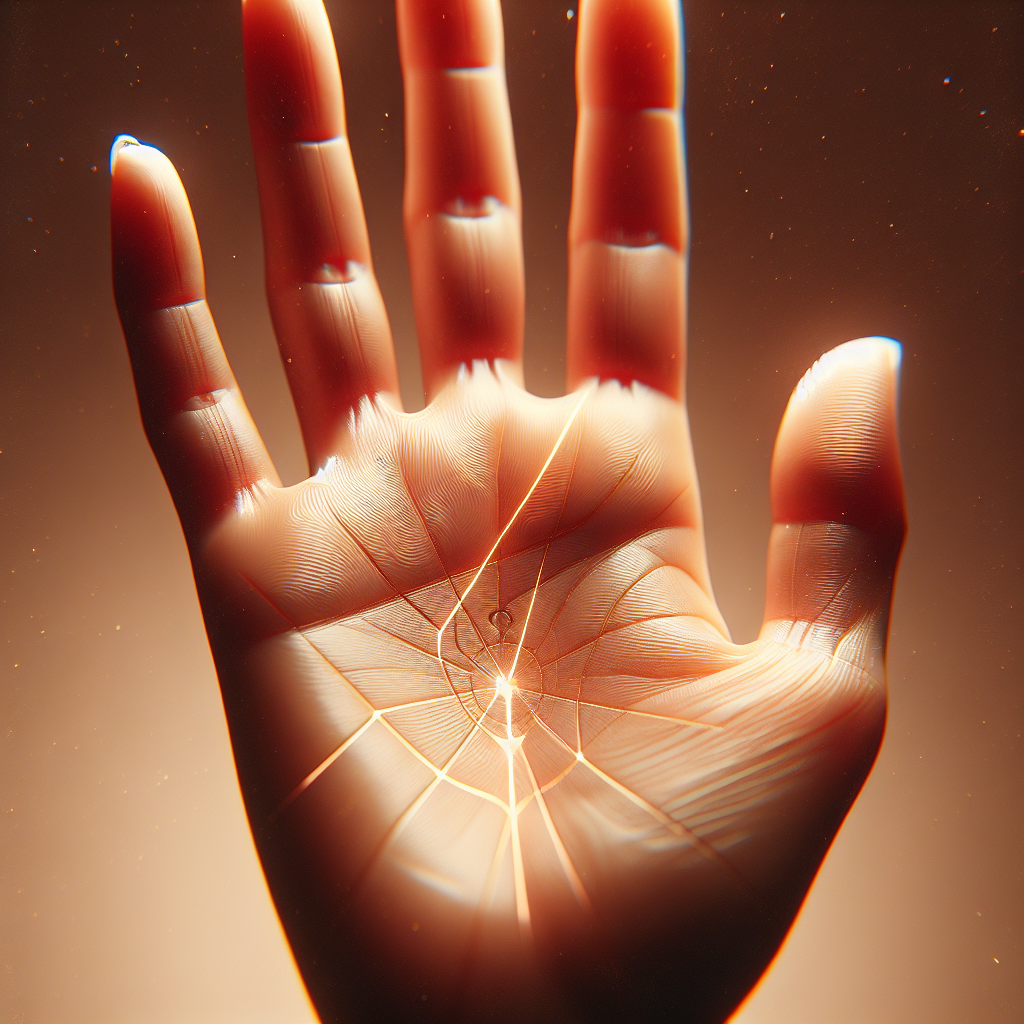
The depth and clarity of your Heart Line matter tremendously. A deep, clear line shows strong emotional capacity and the ability to form lasting bonds. You feel deeply and aren't afraid of emotional vulnerability. A faint Heart Line suggests you may be more guarded emotionally or prefer to process feelings privately rather than expressing them openly.
!A close-up of a palm highlighting the heart line with warm golden light casting gentle shadows
Examine your Heart Line for these telling features:
- Straight and horizontal: You're practical and straightforward in love, perhaps less demonstrative emotionally
- Deeply curved: You're passionate, romantic, and express feelings freely
- Multiple branches at the end: You're versatile in relationships and can connect with many different types of people
- Chains throughout the line: Emotional ups and downs, possible heartbreak or complicated relationships
- Breaks: Significant emotional trauma or the end of major relationships
- Islands: Periods of depression, sadness, or emotional confusion
The length of your Heart Line also provides insights. A long Heart Line that extends across most of the palm indicates you're generous with your emotions and have much love to give. A shorter Heart Line doesn't mean you love less—it simply suggests you may be more selective about who receives your emotional energy or that you express love through actions rather than words.
The Head Line: Intellect, Communication, and Mental Approach
The Head Line is the middle major line, running horizontally across your palm from the thumb side toward the pinkie edge. This line reveals how you think, learn, communicate, and make decisions. It's essentially a blueprint of your mental processes and intellectual style.
A straight Head Line indicates a practical, realistic thinker. You appreciate facts, logic, and concrete information. You're probably excellent at analytical tasks, strategic planning, and working with details. People with straight Head Lines often excel in fields like accounting, engineering, law, and science. You prefer clear communication and become frustrated with vague or overly emotional discussions.
A curved or sloping Head Line shows a creative, imaginative mind. The more your Head Line curves downward toward your wrist, the more imaginative and intuitive you are. You think in images, metaphors, and possibilities rather than strict logic. Creative professions, healing arts, and counseling often suit people with curved Head Lines. You may sometimes struggle with practical matters or get lost in daydreams.
The length of your Head Line reveals your mental focus. A long Head Line extending far across the palm shows you consider many angles before deciding. You're thorough, sometimes to the point of overthinking. You gather extensive information and weigh options carefully. A shorter Head Line indicates quicker decision-making. You grasp essential points rapidly and act decisively without endless deliberation.
Deep, clear Head Lines show strong concentration and mental clarity. You can focus intensely on complex tasks and maintain attention for extended periods. Faint Head Lines suggest you may be easily distracted or prefer to keep your options open mentally rather than committing to a single viewpoint.
Pay attention to these Head Line characteristics:
- Separated from Life Line at origin: Independent thinker, confident, sometimes impulsive
- Joined to Life Line at start: Cautious thinker who carefully considers consequences
- Long separation between Head and Life Lines: Very independent, risk-taker, possibly reckless
- Chained appearance: Mental restlessness, scattered thinking, or difficulty concentrating
- Breaks: Changes in thinking patterns, educational shifts, or periods of mental stress
- Fork at the end: "Writer's fork"—ability to see multiple perspectives, excellent for communication
The ending point of your Head Line is particularly significant. If it ends under your ring finger, you have a balanced approach to creativity and practicality. An ending under the pinkie finger indicates strong business acumen and communication skills—you may excel in sales, marketing, or entrepreneurship.
Reading the Three Lines Together: Synthesis and Interpretation
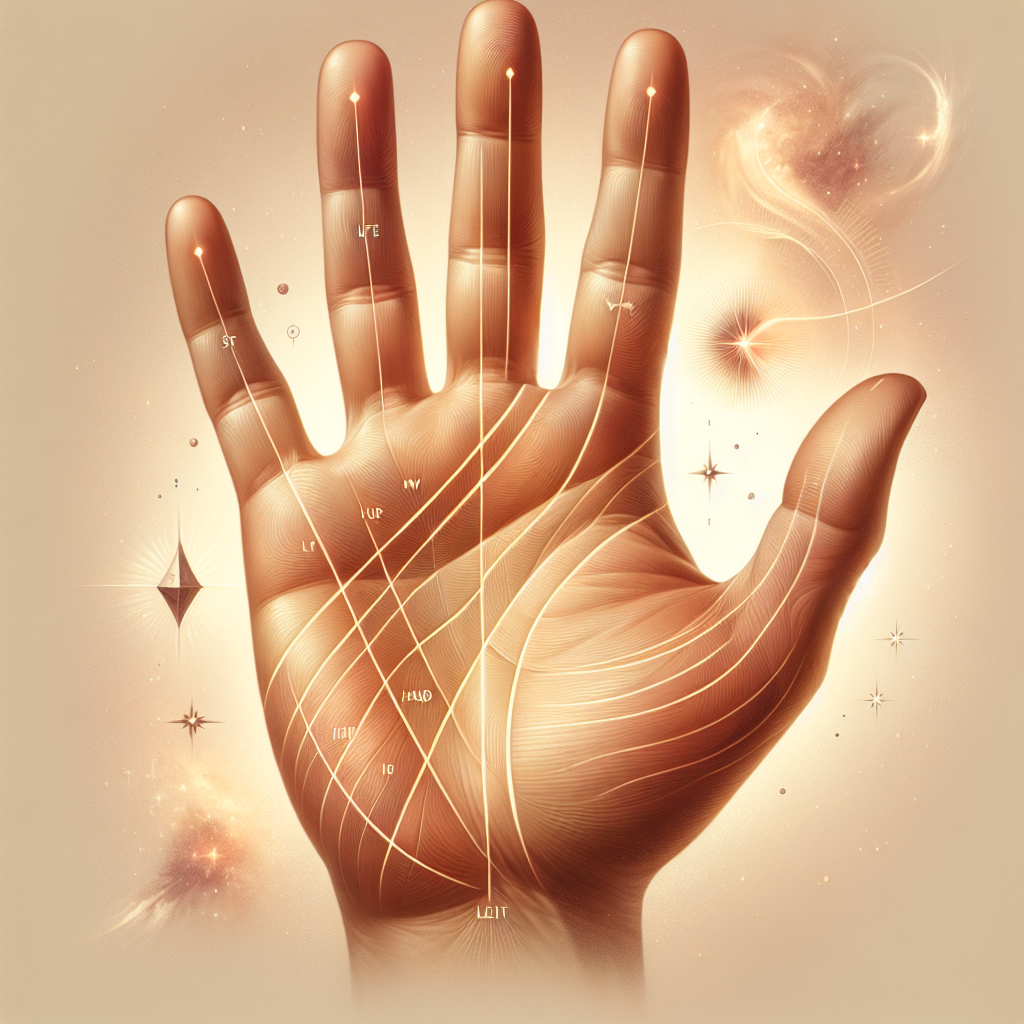
The true art of palmistry emerges when you read all three major lines together, understanding how they interact and influence each other. Your hand tells a complete story, not isolated chapters. The relationship between your Heart, Head, and Life Lines reveals the integration of emotions, intellect, and life force within your personality.
Notice the spacing between your Heart and Head Lines. This gap represents your emotional openness and flexibility. A wide space indicates a generous, open-minded person who doesn't judge others harshly. You're tolerant and accept people as they are. A narrow space between these lines suggests you may be more rigid in thinking, with strong opinions and less tolerance for viewpoints that differ from yours.
Examine whether all three lines appear equally strong or if one dominates. If your Heart Line is deepest and clearest, you're emotionally driven—feelings guide your decisions more than logic. A dominant Head Line suggests you lead with your mind, analyzing situations before accessing emotions. A particularly strong Life Line indicates that physical experience and vitality drive your life choices.
Look at where the lines begin relative to each other. When the Head and Life Lines start joined, you approach life cautiously, thinking before acting. The longer these lines stay joined (measured from the thumb edge), the more you relied on others' opinions and guidance in your younger years. A complete separation from the start shows early independence and self-confidence.
The quality of all three lines should also be considered holistically. If all three major lines are deep, clear, and unbroken, you possess strong life force, emotional stability, and mental clarity—a fortunate combination. If all three are faint, you may be more sensitive to your environment, requiring extra self-care and boundaries. Mixed qualities—such as a strong Heart Line but faint Head Line—show where your natural strengths and challenges lie.
Common Variations and What They Mean
Palms are as unique as fingerprints, and you'll encounter countless variations even among the three major lines. Understanding common variations helps you provide nuanced, accurate readings rather than cookbook interpretations.
Double Lines: Sometimes you'll see a double Life Line, double Head Line, or even a double Heart Line. These sister lines provide extra strength and protection in that area. A double Life Line offers additional vitality and resilience. A double Heart Line suggests deep emotional capacity and possibly important relationships with siblings or close friends who are like family.
Merged Lines: Occasionally, the Head and Heart Lines merge into a single line crossing the palm. This rare formation, called a Simian Line, indicates intense focus and emotional directness. People with Simian Lines are often all-or-nothing personalities who can't separate thinking from feeling. They're passionate about their beliefs and pursue goals with singular determination.
Timing on the Lines: Advanced palmistry includes timing techniques. On the Life Line, measure from where it begins near the thumb, with your early years at the top and later life toward the wrist. The point where a vertical line dropped from the center of your index finger intersects the Life Line represents roughly age 20. The intersection with a line from the middle finger marks around age 40. This allows you to time events indicated by breaks, islands, or branches.
Color and Texture: Beyond shape, observe line color. Pink lines indicate good circulation and balanced energy. Very red lines can suggest an intense, possibly hot-tempered nature. Pale or white lines may indicate lower energy or current health challenges. The texture of lines also matters—rough, deep grooves suggest intensity, while smooth, refined lines indicate a more subtle, gentle nature.
Developing Your Palmistry Practice
Reading palms effectively requires practice, patience, and developing your intuitive abilities alongside your technical knowledge. Start by reading your own palms regularly, noting changes over time—yes, lines do shift as your life circumstances and consciousness evolve.
Practice on friends and family, always with permission and sensitivity. Palmistry reveals intimate information, so approach readings with respect and compassion. Never frighten someone with dire predictions, and remember that challenging markings simply show areas requiring conscious attention, not fixed fate.
Keep a palmistry journal. Photograph palms (with permission) and record your observations, then follow up months later to see if your interpretations proved accurate. This feedback loop accelerates your learning and helps you recognize which indicators are most reliable in your experience.
Study both hands always. The non-dominant hand shows inherited potential and your natural inclinations. The dominant hand reveals what you're actually doing with that potential—how choices and experiences have shaped you. Comparing both hands shows your evolution and growth.
Combine palmistry with other metaphysical practices for deeper insights. Astrology, numerology, and palmistry all offer complementary perspectives on character and destiny. Many professional readers find that palmistry provides concrete, visual confirmation of patterns they see in birth charts.
Remember that palmistry is ultimately empowering, not deterministic. Your lines show tendencies, talents, and challenges, but you always have free will. A challenging marking on your Heart Line doesn't doom you to heartbreak—it simply highlights an area where conscious work yields great growth. This perspective keeps palmistry useful and positive rather than fatalistic.
Conclusion: Your Palm, Your Story
The three major lines in your palm—Life, Heart, and Head—contain a wealth of information about who you are and who you're becoming. The Life Line reveals your vitality and approach to living. The Heart Line shows how you love and relate to others. The Head Line maps your thinking style and intellectual gifts. Together, they tell your unique story.
As you develop your palmistry skills, remember that this ancient art offers guidance, not rigid pronouncements. Your hands show possibilities and patterns, but your choices write the final story. The most powerful aspect of palmistry is its ability to increase self-awareness, helping you recognize your strengths and address your challenges consciously.
Ready to dive deeper into understanding yourself through the wisdom of the cosmos? Get your free personalized astrological reading on AstroClick today. Discover how the stars and planets at your birth complement what's written in your palms, giving you a complete picture of your soul's journey. Your cosmic blueprint awaits—unlock it now and step into greater self-knowledge and empowerment.